Contemplative practice: create a pause with a purpose
Contemplation can involve reading, walking, prayer or quiet attention. Learn how to structure a short reflective period, respect its cultural context and distinguish personal insight from an instruction that must be obeyed.
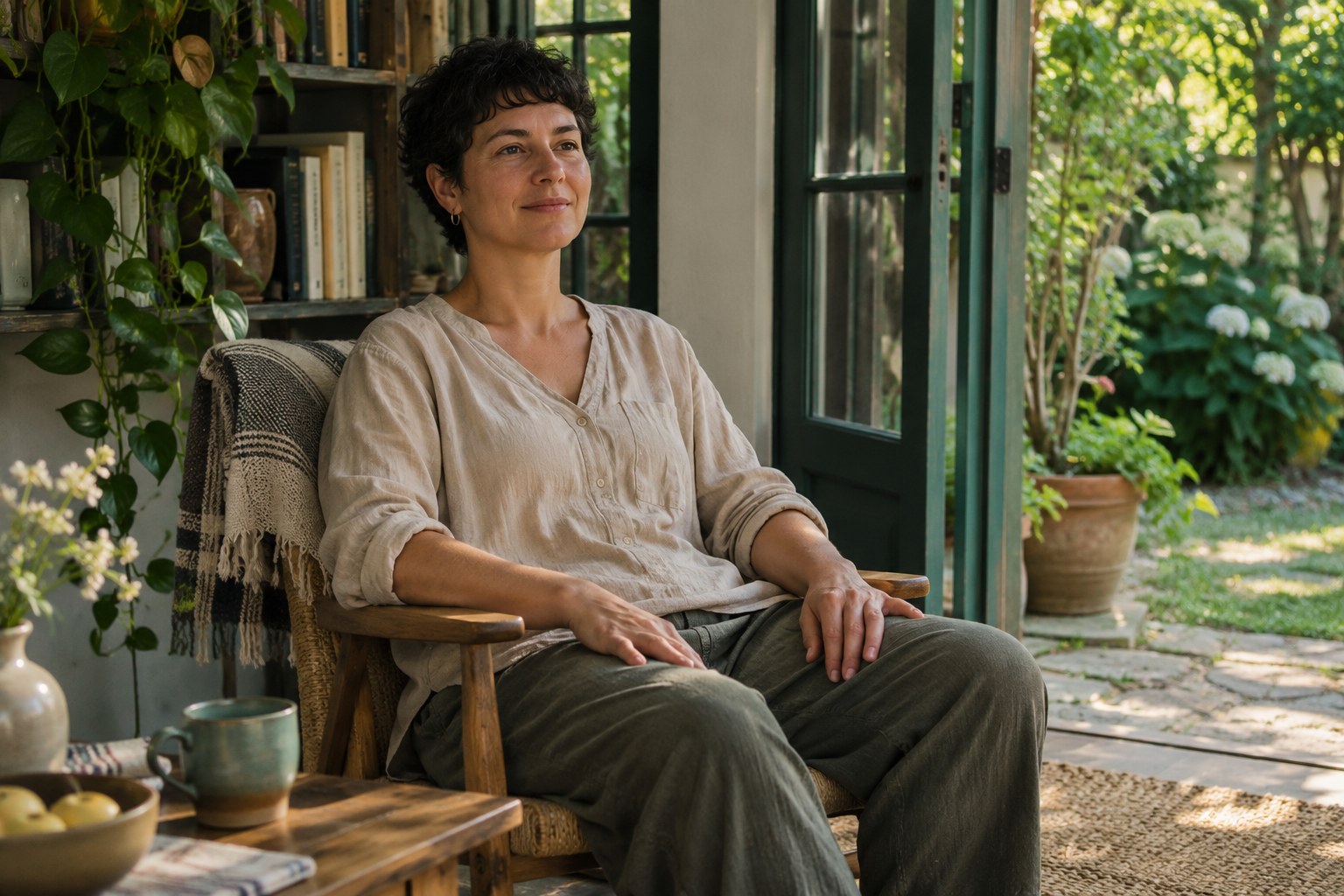
Contemplation makes space to attend to something without immediately turning it into a task to finish. That something might be a question, a passage of writing, a landscape, a belief or an ordinary experience. The practice can be religious, philosophical or secular.
It differs from trying to solve every issue in one sitting. A contemplative period can leave a question open while changing how carefully you have considered it.
Choose what the pause is for
A brief practice becomes clearer when its purpose is modest. You might want to notice what a text brings to mind, reflect on a decision or spend time with a place you value. This is different from demanding that the session deliver calm, certainty or a profound insight.
A clear purpose also helps you recognise when the practice has changed into something less useful, such as replaying a conflict without learning anything new.
Use a format that belongs to your circumstances
Slow reading can involve a short passage and time to consider one idea. A reflective walk can involve attention to surroundings with an occasional return to a chosen question. Prayer may sit within an established faith tradition. Quiet sitting can use an object or sound as an anchor.
These formats are not interchangeable pieces of a universal technique. Their meaning may depend on tradition, community and context. Respect the source of a practice, and do not assume that a commercial version captures everything important about it.
Give the session a beginning and an ending
Choose a comfortable setting and a limited duration. Put aside a competing task if practical. Begin by identifying the focus, then allow attention to move around it without forcing a conclusion. At the end, note one observation or simply acknowledge that the period is finished.
Resume an ordinary activity afterwards. That transition helps keep the practice connected with daily life rather than making it an indefinite search for a special state.
Work with distraction without turning it into a contest
Attention will wander to plans, sensations and unfinished concerns. Notice the change and decide whether to return to the chosen focus. You do not need to treat every distraction as a message or every repeated thought as an important truth.
It can be useful to record a practical task on a separate note so you do not have to keep rehearsing it. Then return to contemplation, or decide that the practical matter needs attention first.
Keep insight open to examination
A thought that feels significant during quiet reflection is still a thought to consider. It may be useful, incomplete or mistaken. Important decisions about treatment, money or relationships deserve ordinary checking, information and time as well as any personal insight.
A teacher should not present a participant’s momentary experience as proof of a medical claim or require unquestioning obedience to an interpretation. Cultural and spiritual meaning can be respected without abandoning judgement and consent.
Adapt if inward focus becomes unhelpful
Some people find prolonged stillness or internal attention unsettling. Keep eyes open, use an external focus, shorten the period or choose movement if that is more manageable. There is no requirement to persist through escalating distress to make the practice legitimate.
NCCIH’s discussion of meditation is relevant because contemplative programmes can include meditative techniques, and unwanted experiences do occur. Evidence about one structured intervention should not be broadened into a guarantee about every contemplative setting.
Look for a connection with how you live
A useful outcome may be a more precise question, a clearer priority or greater appreciation of an ordinary experience. You may choose a small action afterwards, such as returning to a conversation with a different perspective. You may also leave the question unresolved.
Contemplation need not be productive in the usual sense, but it should remain compatible with sleep, relationships, responsibilities and appropriate care. Its value is in the quality and meaning of the attention, not in how long you can withdraw from everyday life.