Mind–body practices: what changes when attention becomes part of movement
Meditation, yoga and tai chi combine attention with different physical tasks. Understanding those differences helps explain how a practice may support wellbeing and why one programme’s results do not apply to everything with the same label.
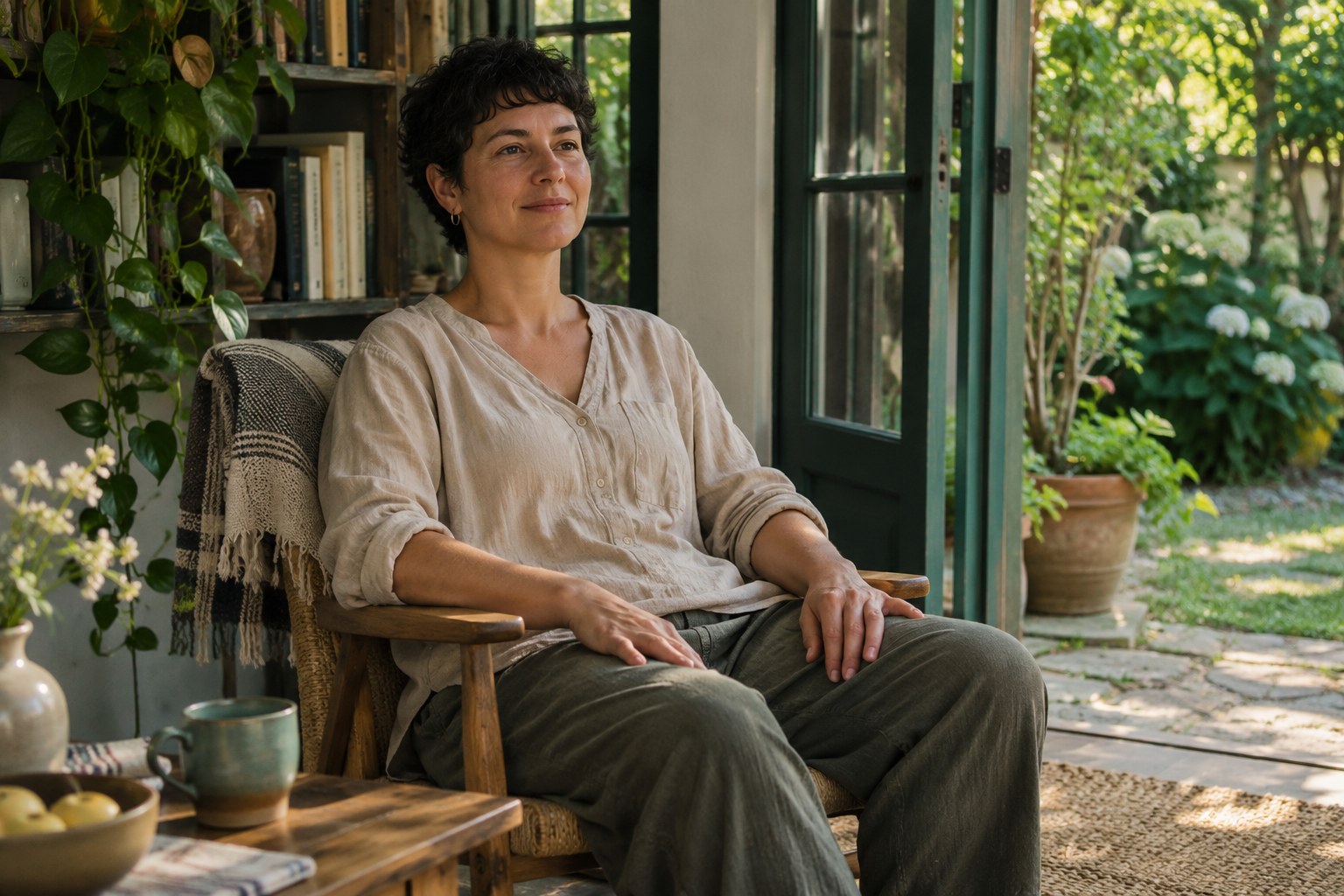
Think of the difference between walking while rehearsing an argument and walking while noticing your surroundings. The legs may follow the same route, but attention is doing something different. Mind–body practices deliberately work with that relationship between physical experience, attention and behaviour.
The term covers a varied collection. Some practices involve sustained movement; others involve stillness, breathing or a structured focus. They are not a separate biological system, and calling an activity holistic does not establish a special healing mechanism.
There is more than one route to an effect
A tai chi class asks you to transfer weight, coordinate movements and remember a sequence. A meditation exercise asks you to notice distraction and redirect attention. A yoga session may combine muscular effort, balance and a period of quiet. Each task provides a different experience, so their possible benefits should be considered separately.
A practice can also change the circumstances around an experience: protected time, a supportive instructor, a predictable routine or participation with other people. Those features matter without proving every explanation offered by a teacher.
Separate the experience from the medical claim
Feeling calmer after a class is a real experience. Establishing that a programme treats an illness requires a different kind of evidence. Researchers need an appropriate comparison, meaningful outcomes and follow-up. An improvement may reflect several features of the programme rather than one proposed ingredient.
NCCIH’s summaries show why specificity matters: evidence about balance-oriented tai chi is different from evidence about mindfulness programmes, and meditation studies vary substantially in design. A claim about a general sense of wellbeing should not quietly become a claim about preventing disease.
Choose according to the task you want to practise
| Your interest | A relevant kind of practice | What to look for |
|---|---|---|
| Attention during daily activity | Brief mindfulness practice | A clear, manageable attentional task |
| Slow movement and balance | Adapted tai chi | Stable positions and appropriate support |
| Movement with varied positions | Accessible yoga | Options for joints, balance and comfort |
| A deliberate pause | Relaxation practice | Permission to remain alert or stop |
Start with a small, repeatable experience
A useful first session has a beginning and an end you understand. For example, spend a short period seated comfortably, notice the contact of your feet or chair, then return to an ordinary activity. The task is to practise noticing, not to manufacture a particular feeling.
For a movement class, arrive early enough to discuss adaptations and learn how to pause. Expensive equipment, unusual clothing and a complete lifestyle overhaul are not prerequisites for finding out whether the activity suits you.
Comfort and choice are part of good instruction
Inward attention is not soothing for everyone. Closing the eyes, focusing on breathing or receiving hands-on adjustments may be uncomfortable, especially after difficult experiences. An instructor should offer choices: eyes open, a different attentional anchor, a chair, a smaller movement or a break. Pain, dizziness or escalating distress are reasons to stop and reassess.
Accessibility also includes cost, language, transport and the social atmosphere. A theoretically suitable practice that is humiliating or impossible to attend is not a useful option.
Skills also need a bridge into daily life. Feeling coordinated in a quiet class does not automatically resolve a hurried workday. Choose one ordinary situation in which the skill might be useful, such as noticing an unnecessary breath hold while concentrating or allowing more time to stand up with balance. This connects the practice to an identifiable task and makes the outcome easier to describe than a general claim that the body has been rebalanced.
Judge usefulness at the right scale
After several sessions, consider a concrete change: is it easier to notice tension, follow the movements or make room for a pause? Also notice unwanted effects and the demands on time or money. Those observations help you decide whether to continue or adapt the practice. They do not replace assessment or established treatment for an ongoing health problem.